

Myeloma is a type of blood cancer that starts in plasma cells, which are white blood cells found in the bone marrow. Healthy plasma cells help the body fight infections by making antibodies. In myeloma, abnormal plasma cells grow uncontrollably and crowd out normal blood cells. These malignant cells also produce a protein called monoclonal protein, which we refer to as an “M protein,” which can build up in the body and damage organs. Myeloma often affects the bones, immune system, kidneys, and red blood cell production.
At Shenandoah Oncology, located in Winchester, Virginia, patients across the Shenandoah Valley, including Martinsburg, WV, and Harrisonburg, VA, have access to the most advanced care for myeloma. Our community-based cancer center provides easier access, shorter wait times, and a personal approach to myeloma treatment that is not often found in large hospital system settings.
The hematologic oncologists of Shenandoah Oncology craft individualized treatment plans designed for each patient's unique situation.

What Causes Myeloma and What Are the Symptoms?
Causes and Risk Factors
Several factors are known to elevate the risk of multiple myeloma:
-
Family History: People who have a close relative (parent, sibling, or child) with multiple myeloma are at a slightly higher risk of developing the disease themselves.
-
MGUS (Monoclonal Gammopathy of Undetermined Significance): MGUS is a non-cancerous condition in which abnormal plasma cells produce a protein called M protein. Although MGUS itself isn’t harmful, it significantly increases the likelihood of progressing to multiple myeloma over time. Regular monitoring is important for those diagnosed with MGUS.
-
Environmental Exposures: Long-term exposure to certain environmental toxins may also raise the risk.
-
Radiation
-
Pesticides and herbicides (such as Agent Orange)
-
Benzene
-
Asbestos
-
Chemicals used in the rubber manufacturing industry
-

Additional Risk Factors
While not directly preventable, other demographic factors have been associated with a higher incidence of multiple myeloma.
-
Age: Most people diagnosed are over 60 years old. It's uncommon in those under 40.
-
Race: Black individuals are approximately twice as likely to develop multiple myeloma compared to white individuals, though the reason for this remains unclear.
-
Gender: Men are at a slightly higher risk than women.
Symptoms of Myeloma
Because myeloma begins in the bone marrow, symptoms include:
-
Bone pain
-
Easily broken bones
-
Weakened bones, including the spine, resulting in spinal compression
-
Low red blood cells, white blood cells, and blood platelets
-
High levels of calcium in the blood
-
Kidney damage, even kidney failure
How Is Myeloma Detected?
If symptoms are noticed, a hematologist will run tests to see if there are signs of myeloma. Common tests include:
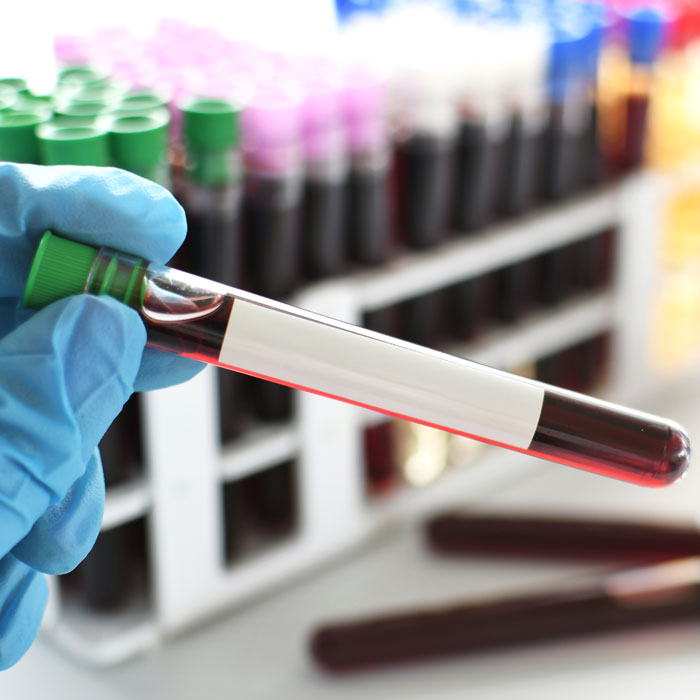
Blood tests:
To look for M protein, anemia, high calcium, or kidney function issues

Urine tests:
To detect Bence Jones protein (light chains)

Bone marrow biopsy:
A sample is taken to examine for abnormal plasma cells

Imaging:
X-rays, MRI, CT, or PET scans to check for bone damage or tumors
If myeloma is confirmed, additional tests help guide staging and treatment planning.
What Are the Stages of Myeloma?
Myeloma staging is based on the Revised International Staging System (R-ISS), which incorporates:
-
Blood levels of beta-2 microglobulin and albumin
-
The amount of lactate dehydrogenase (LDH) in the blood levels (a measure of tumor growth)
-
Specific genetic changes
There are only three stages used for myeloma:
-
Stage I:
-
B2M is less than 3.5 mg/L
and -
lbumin level is 3.5 g/dL or greater
and -
Cytogenetics are considered “not high risk”*
and -
LDH levels are normal
-
-
Stage II: Levels are between stages I and III
-
Stage III: High levels of beta-2 microglobulin and/or high-risk genetics
-
B2M is 5.5 mg/L or greater
and -
Cytogenetics are considered “high risk”
and/or -
LDH levels are high
-
Myeloma Treatment Options
Treatment depends on the stage, patient health, and symptoms. Smoldering myeloma may be monitored without immediate treatment. Surgery is rarely included in the treatment plan for myeloma.
Systemic Treatments for Myeloma
Systemic therapies affect the whole body and are the most common approach to managing myeloma. Several categories of systemic drugs are available.
Targeted Therapy for Myeloma
Targeted therapies use drugs that block the growth of myeloma cells. The targeted therapy blocks the action of an abnormal protein that stimulates the growth of myeloma cells.
-
Proteasome inhibitors: Prevent cancer cell waste removal, leading to cell death
-
Monoclonal antibodies: Attach to proteins on myeloma cells, signaling the immune system to destroy them
Immunotherapy for Myeloma
Immunotherapy drugs stimulate the body’s own immune system to battle cancer. Substances made by the body or made in a laboratory are used to boost, direct, or restore the body's natural defenses against cancer.
-
Immunomodulatory drugs: Stimulate the immune system to fight myeloma
-
CAR T-cell therapy: CAR T-cell therapy is a cutting-edge treatment for multiple myeloma, typically used when the disease has returned after other therapies. The process requires the removal of a patient’s T‑cells (a type of immune cell in the blood). This process is called leukapheresis. The T-cells are then genetically engineered in the lab so they express a chimeric antigen receptor (CAR). When reintroduced into the patient, the cells recognize a protein found on myeloma cells, most commonly BCMA (B‑cell maturation antigen). A brief course of chemotherapy is given to the patient before the altered T-cells are injected, allowing the body to accept them better. The infused CAR T‑cells then seek out and attack the myeloma cells.
Chemotherapy for Myeloma
Chemotherapy drugs destroy or control the growth of cancer cells. Today, it is used less often because other system treatments show better results with fewer side effects. However, chemotherapy is an option if immunotherapy or targeted therapies are not producing the desired result.
Stem Cell Transplant
A stem cell transplant (SCT) is a common treatment for multiple myeloma, especially in people who are younger and otherwise fairly healthy. It can often help people live longer and keep the myeloma in remission longer than if they get just drug treatments alone.
A stem cell transplant is performed in stages. First is treatment with high doses of chemotherapy. The goal is to destroy both myeloma cells and normal blood cells in the bone marrow. After this, the patient receives healthy stem cells through a vein. New blood cells develop from the transplanted stem cells. The new blood cells replace the ones that were destroyed by treatment.
Radiation Therapy as a Localized Myeloma Treatment
Local treatments affect only a specific part of the body. Radiation targets specific areas of bone damage or relieves symptoms like bone pain or spinal cord compression. It is localized and does not treat the entire disease.
Why Choose Shenandoah Oncology for Myeloma Treatment?
Our experienced myeloma doctors are trained in both blood conditions and cancer treatment, providing comprehensive, personalized care in a welcoming environment close to home. From advanced therapies to state-of-the-art diagnostic tools, Shenandoah Oncology is your partner in fighting myeloma. We proudly serve patients across Winchester, the Shenandoah Valley, Martinsburg, WV, and Harrisonburg, VA. With easy parking, lower costs, and compassionate care, you receive hospital-quality treatment with a community touch.
If you or a loved one was diagnosed with myeloma, request a consultation with Shenandoah Oncology to learn about your treatment options, including clinical trials.