

The Shenandoah Oncology cancer specialists are here for you if you were diagnosed with endometrial cancer, also known as uterine cancer. Located in Winchester, Virginia, our center cares for patients throughout the Shenandoah Valley, including Harrisonburg, VA, and Martinsburg, WV. We combine the most advanced endometrial cancer treatments available with compassionate care in a convenient, community-based setting.

Understanding Endometrial Cancer
Endometrial cancer starts in the endometrium, which is the inner lining of the uterus. There are two primary types:
- Type 1 endometrial cancer (endometrioid adenocarcinoma): This is the most common type and relies on estrogen for tumor growth. It tends to grow more slowly and is not as aggressive.
- Type 2 endometrial cancer (serous or clear cell carcinoma): This type does not rely on estrogen for growth. It tends to be more aggressive and likely to spread.
Endometrial cancers are also graded based on how the cancer cells look under a microscope:
- Grade 1 (low grade): Cells look more like normal endometrial cells and tend to grow slowly.
- Grade 2 (moderate grade): Cells look more abnormal and grow more quickly.
- Grade 3 (high grade): Cells look very different from normal and tend to grow and spread faster.
The higher the grade of cancer, the more aggressive it acts.
How Is Endometrial Cancer Diagnosed?
Endometrial cancer is usually diagnosed after a woman experiences abnormal vaginal bleeding. Your gynecologist will likely start the testing process, progressing through the tests as needed. They will recommend that you see an oncologist if biopsy results come back positive for cancer.
- Pelvic exam: To check for abnormalities in the uterus or surrounding organs.
- Transvaginal ultrasound: Helps assess the thickness of the endometrial lining.
- Endometrial biopsy: A sample of tissue is collected from the uterus to detect cancer cells. This is the primary test for diagnosing endometrial cancer.
- Hysteroscopy: A thin scope is inserted into the uterus for direct visualization and guided biopsy.
- Dilation and curettage (D&C): May be used if biopsy results are inconclusive.
If cancer is found, additional tests are performed to determine how far it has spread, such as:
- CT scans or MRI: To evaluate the spread to lymph nodes or other organs.
- Chest X-rays: To check for lung metastasis.
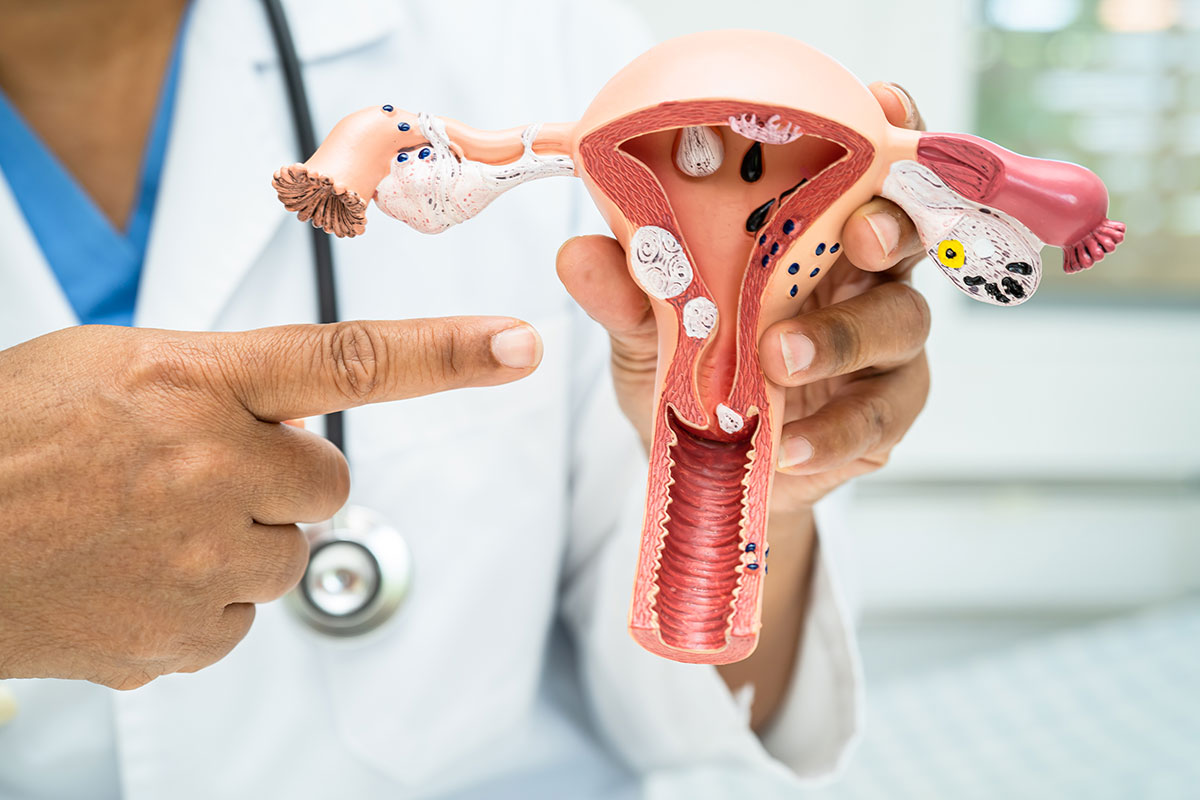
What Are the Stages of Endometrial Cancer?
Once endometrial cancer is diagnosed, your care team will determine its stage to understand how far it has spread. This process often requires detailed information from surgery and lab analysis. In many cases, final staging isn’t confirmed until after the tumor has been surgically removed and evaluated.
Endometrial cancer is categorized into stages I through IV. A lower stage, like Stage I, means the cancer is confined to the uterus. A higher stage, such as Stage IV, indicates that the cancer has spread to other parts of the body, such as the bladder, rectum, or distant organs.
Each stage is further broken down into subcategories (such as A, B, or C), which give your oncologist more details about the cancer’s size and spread. While every case is unique, cancers with similar stages are often treated with similar approaches and typically share a similar prognosis. The stage and grade of cancer play a large role in the treatments recommended by the Shenandoah Oncology team as they create a personalized care plan.
Endometrial cancer is staged using the TNM system:
- T (Tumor): Describes the size and extent of the primary tumor in the uterus.
- N (Nodes): Indicates whether the cancer has spread to nearby lymph nodes.
- M (Metastasis): Refers to whether the cancer has spread to distant organs.
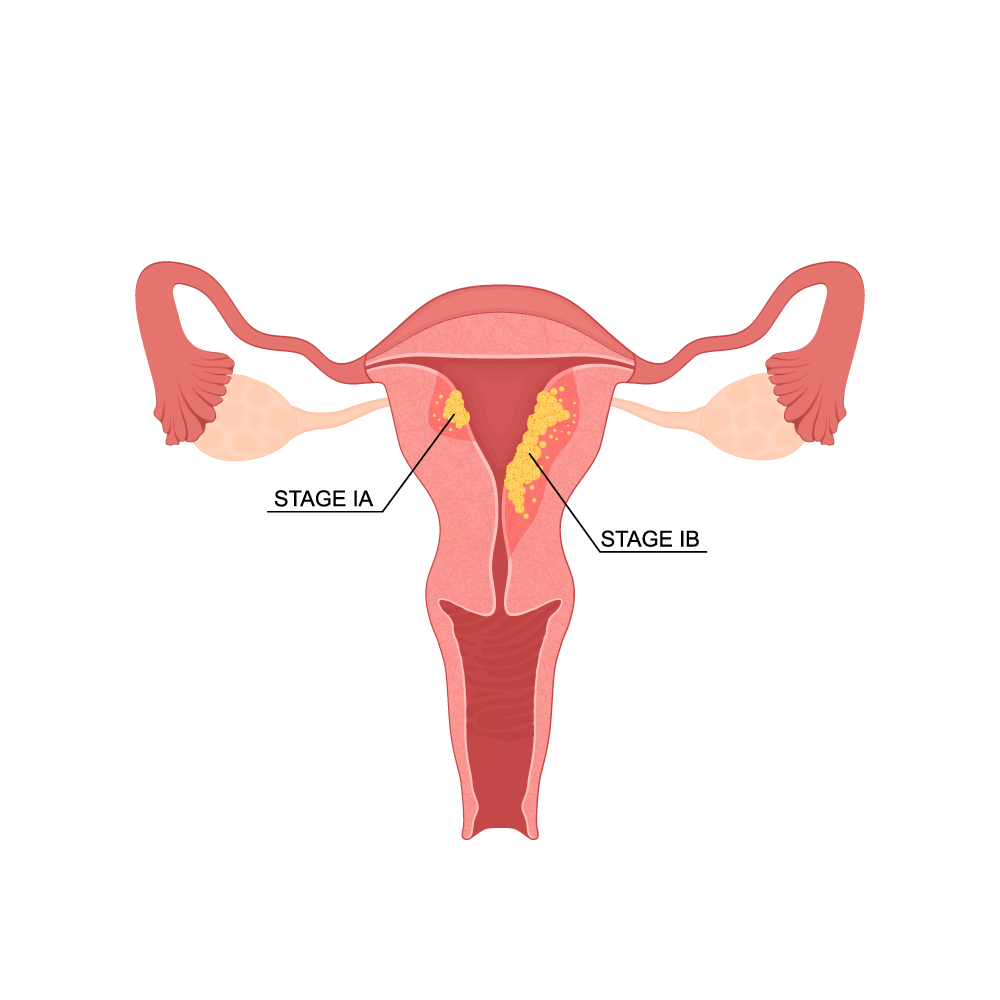
Stage I
- Stage I (T1, N0, M0): Cancer is confined to the uterus.
- IA: Limited to the endometrium or invades less than half of the myometrium.
- IB: Invades half or more of the myometrium
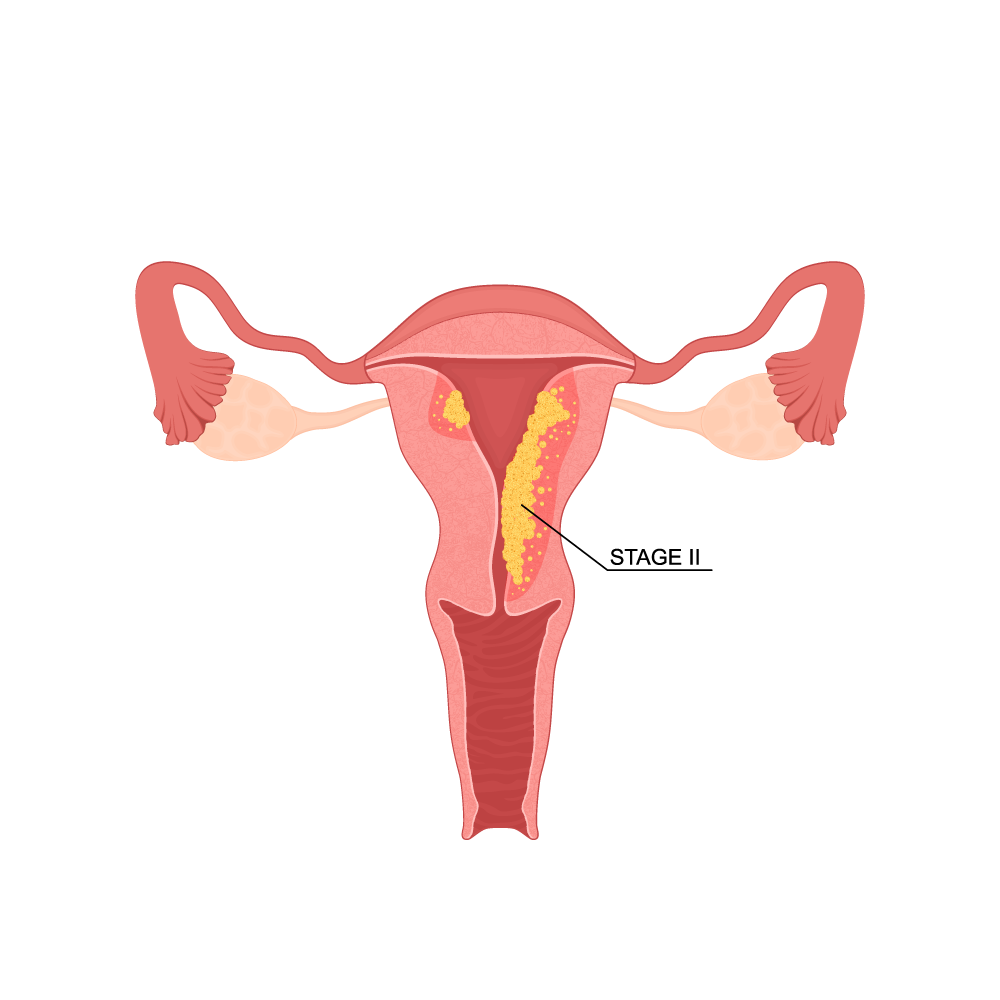
Stage II
- Stage II (T2, N0, M0): Cancer has spread to the cervical stroma but not beyond the uterus.
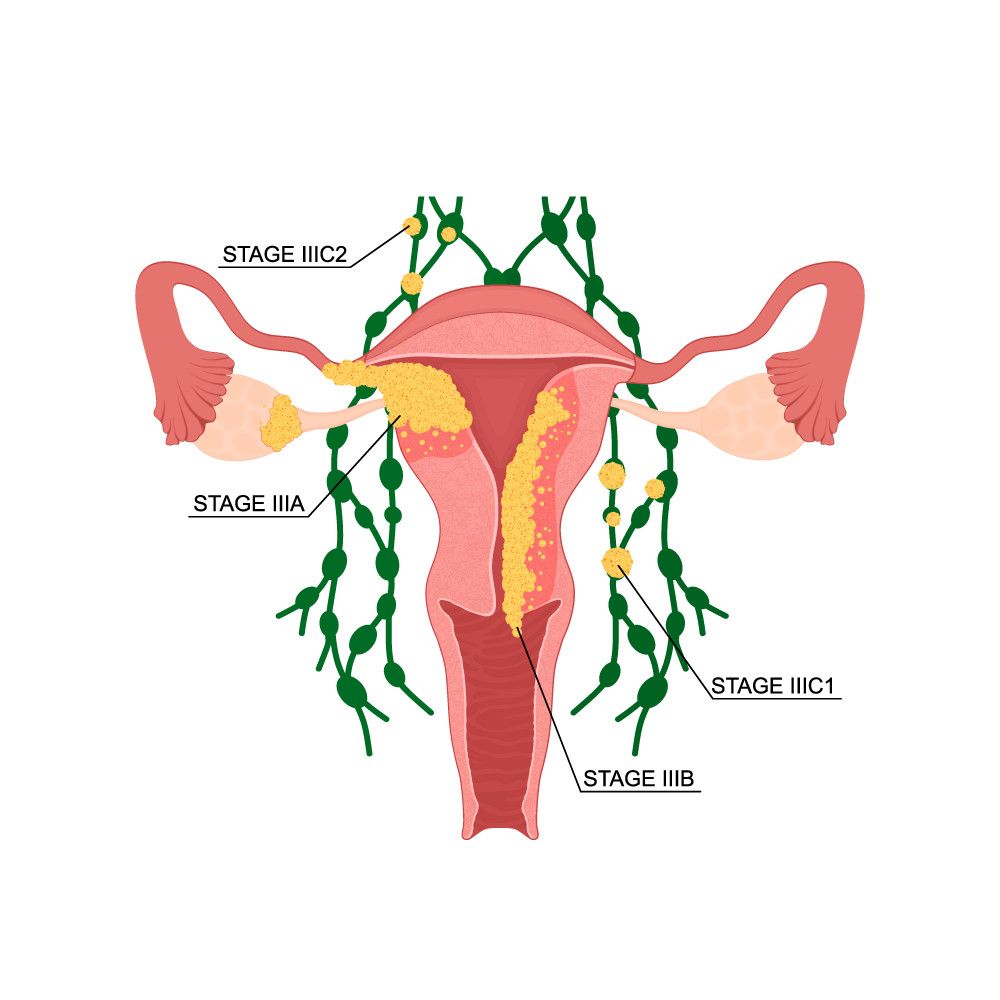
Stage III
- Stage III (T3, N1/N2, M0): Cancer has spread outside the uterus but remains within the pelvic area.
- IIIA: Invades serosa of the uterus and/or adnexa.
- IIIB: Involves vagina and/or parametrial tissues.
- IIIC1: Pelvic lymph node involvement.
- IIIC2: Para-aortic lymph node involvement.
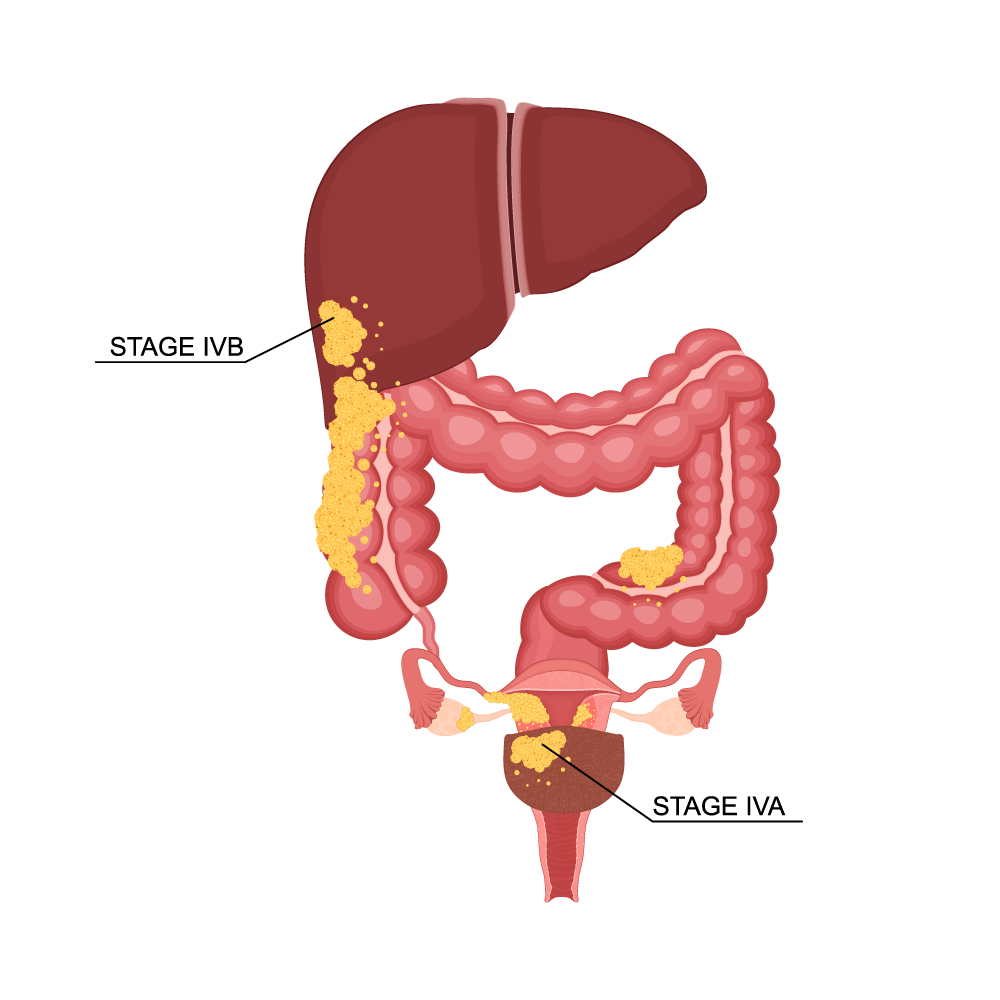
Stage IV
- Stage IV (T4 or M1): Cancer has spread to the bladder, bowel, or distant organs.
- IVA: Invades bladder and/or bowel mucosa.
- IVB: Distant metastases, including intra-abdominal or inguinal lymph nodes.
How Shenandoah Oncologists Can Treat Endometrial Cancer
Our team of medical and radiation oncologists in Winchester are highly experienced in treating all types and stages of endometrial cancer. They work together to provide:
- Access to advanced treatment options, including clinical trials and precision medicine.
- Personalized care plans built around your individual diagnosis, genetics, and lifestyle.
- Care delivered in a comfortable, convenient setting with easy parking and no long hospital walks.
Patients from across the Shenandoah Valley from Harrisonburg, VA, to Martinsburg, WV choose our center for expert endometrial cancer treatment in a supportive community environment.
What Are the Treatments for Endometrial Cancer?
Treatment depends on the type, grade, and stage of cancer. Your Shenandoah Oncology team may recommend one or a combination of the following therapies:
Surgery
Surgical removal of the cancer is often the first step. Typically, a hysterectomy is necessary to remove the uterus. In some cases, the ovaries and fallopian tubes will also be removed, as well as nearby lymph nodes that are tested for cancer. Minimally invasive laparoscopic or robotic-assisted surgery is often an option and may result in a shorter recovery time.
Chemotherapy
Chemotherapy uses powerful drugs to destroy cancer cells. Patients may receive one drug or a combination of chemotherapies. It’s typically given intravenously, often in cycles over several weeks. It is most often given after surgery or to treat recurrent cancer after the initial treatments are complete.
Radiation Therapy
Radiation therapy may be used after surgery to reduce recurrence risk or as a primary treatment if surgery isn't an option. It can be used in two different ways:
- External beam radiation therapy (EBRT): Precisely targets the pelvic region from outside the body.
- Brachytherapy: Places radioactive material inside the body, typically in the vagina, to deliver radiation therapy closer to where the cancer was located.
Some patients receive both types. External beam radiation is usually given first, followed by brachytherapy. There is also the option of receiving a few cycles of chemotherapy followed by radiation and then more chemo.
Hormone Therapy
Most uterine cancer responds to estrogen. Because of this, hormone therapy can be used to block estrogen production and slow the growth of cancer. Oncologists consider this in the treatment plan if the cancer is low-grade and slow growing, for advanced endometrial cancer (stage III or IV), or for uterine cancer that has come back after treatment. Several types of hormone therapy are available. The oncologist will select the one most likely to be effective based on your specific diagnosis.
- Progestins
- Aromatase inhibitors (AIs)
- Tamoxifen
- Fulvestrant
Targeted Therapy
Targeted therapy drugs are designed to attack certain changes in cancer cells caused by a genetic mutation.These drugs work differently from standard chemotherapy. They tend to have different, and sometimes less severe, side effects compared to chemotherapy. Your oncologist will run biomarker tests on a sample of the tumor to find out if there are specific genetic changes that can be treated with a targeted therapy drug. Several targeted therapies are approved for uterine cancer. If your test results show that one would be effective, it will be included in your personalized treatment plan.
Immunotherapy
Immunotherapy is a type of cancer treatment that works by strengthening the body’s natural defenses. Instead of directly targeting the cancer, these therapies help the immune system recognize and destroy cancer cells more effectively. For endometrial cancer, the most common immunotherapy drugs are called immune checkpoint inhibitors.
Your oncologist may choose to include it in the treatment plan for advanced or recurrent uterine cancer, and can be combined with other drugs, such as targeted therapy or chemotherapy, to be most effective.
Endometrial Cancer Clinical Trials in the Shenandoah Valley
At Shenandoah Oncology, patients have access to clinical trials that offer promising new treatment options. We are an established research leader in communities throughout the Shenandoah Valley and offer clinical trials through Sarah Cannon Research Institute (SCRI), one of the world's leading oncology research organizations conducting community-based clinical trials. SCRI has contributed to pivotal research that has led to the majority of new cancer therapies approved by the FDA today.
Why Women Choose Shenandoah Oncology for Endometrial Cancer Care
Throughout the region, women choose Shenandoah Oncology to receive their gynecologic cancer care because we provide:
- Multidisciplinary support from several types of doctors who specialize in uterine cancer treatment.
- Advanced treatment options, including clinical trials.
- Personalized treatment plans based on your specific diagnosis, provided in a community setting where patients are treated like family.
- Convenient and affordable care, with easy parking and access to the cancer center.
If you or a loved one has been diagnosed with endometrial cancer and you live in the Shenandoah Valley, Northern Virginia, Eastern West Virginia, or Western Maryland, request a consultation with one of our dedicated endometrial cancer oncologists. We’re here to provide expert care and support every step of the way.