

At Shenandoah Oncology, patients have access to the latest and most advanced lung cancer treatments in a state-of-the-art cancer center right here in Winchester, Virginia. By choosing cancer care in your community, you won’t have to travel to large hospital systems with complex layouts and paid parking. We provide convenient access and a more personal, compassionate experience. We proudly serve patients from Winchester, Virginia, Martinsburg, West Virginia, and south toward Harrisonburg, Virginia.
What Are the Types of Lung Cancer?
Lung cancer begins when abnormal cells in the lungs grow out of control. These cells can form tumors and interfere with the lungs' ability to provide oxygen to the body. There are two main types of lung cancer: non-small cell lung cancer (NSCLC) and small cell lung cancer (SCLC). NSCLC is more common, accounting for about 80% to 85% of lung cancer cases, and includes subtypes such as adenocarcinoma, squamous cell carcinoma, and large cell carcinoma. SCLC, while less common, is more aggressive and tends to spread quickly.
Differences Between Non-Small Cell and Small Cell Lung Cancer
Non-small cell lung cancer tends to grow and spread more slowly than small cell lung cancer. NSCLC is often diagnosed at an earlier stage and may be treated with surgery, radiation, chemotherapy, targeted therapy, or immunotherapy. In contrast, small cell lung cancer often spreads rapidly and is typically treated with chemotherapy, radiation, and often immunotherapy. Surgery is rarely used for SCLC, except in very early stages.
Survival Rates When Diagnosed Early
Survival rates for lung cancer vary significantly based on the stage at diagnosis. For non-small cell lung cancer, the five-year survival rate is approximately 67% when detected at a localized stage. This drops to about 40% for regional spread and 12% for distant metastases (Stage IV). Across all stages, the five-year survival rate for NSCLC is around 32%. For small cell lung cancer, the prognosis is generally poorer, with a five-year survival rate of about 34% when caught early, 20% at the regional stage, and just 4% for distant disease.
Diagnosing Lung Cancer
Diagnosis often begins when a patient presents with symptoms such as a persistent cough, chest pain, shortness of breath, or unexplained weight loss. In some cases lung cancer is identified when an X-ray or CT scan is requested for another condition. When an area of concern is identified, further tests are needed to confirm the diagnosis. A biopsy, often performed via bronchoscopy or a CT-guided needle, is essential for identifying the type of lung cancer.
Additional testing, such as PET scans, MRIs, or bone scans, may be used to determine the extent of the disease. Molecular testing is also conducted for NSCLC to identify mutations that may be targeted with specific therapies.
Staging Lung Cancer
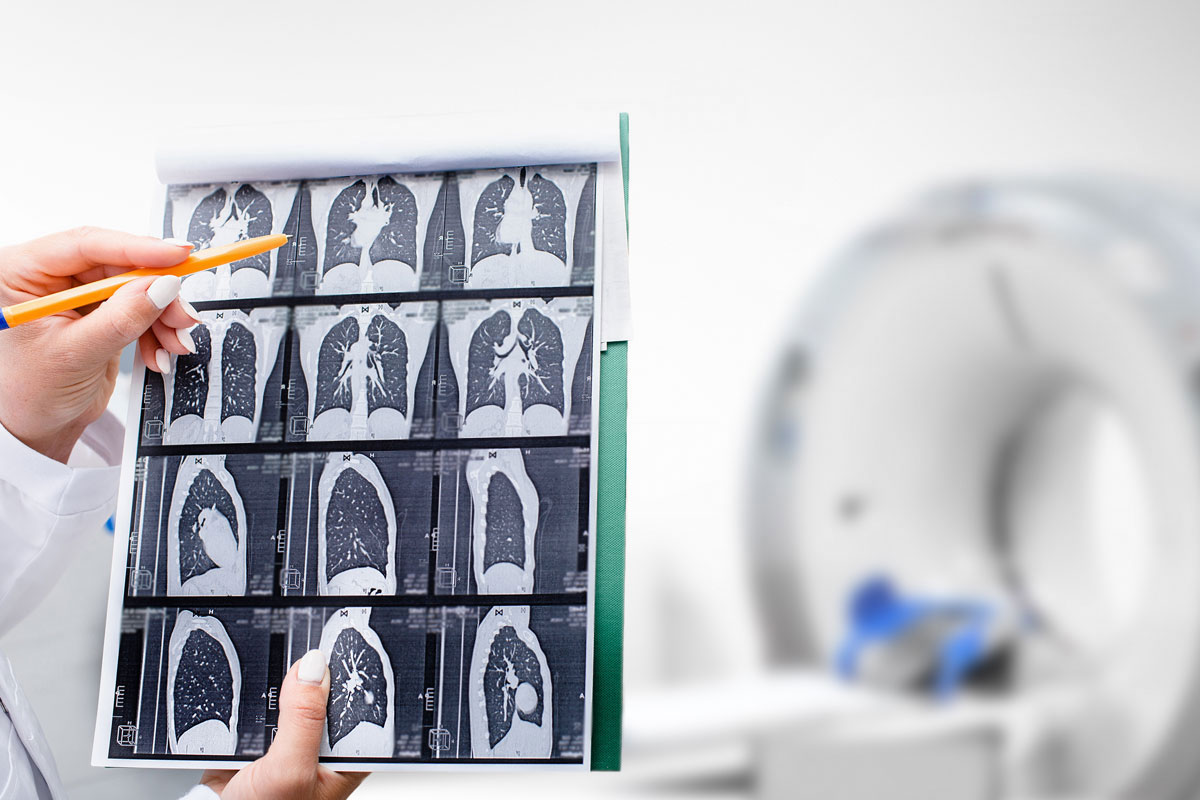
Lung cancer staging helps determine how far the cancer has spread and guides treatment planning. Doctors use the TNM system to describe the cancer:
- T (Tumor): Describes the size of the tumor and whether it has grown into nearby structures.
- N (Nodes): Indicates whether the cancer has spread to nearby lymph nodes.
- M (Metastasis): Refers to whether the cancer has spread to distant parts of the body.
This system is used primarily for NSCLC and helps determine the overall stage from 0 to IV:
Non-Small Cell Lung Cancer Stages:
Stage 0
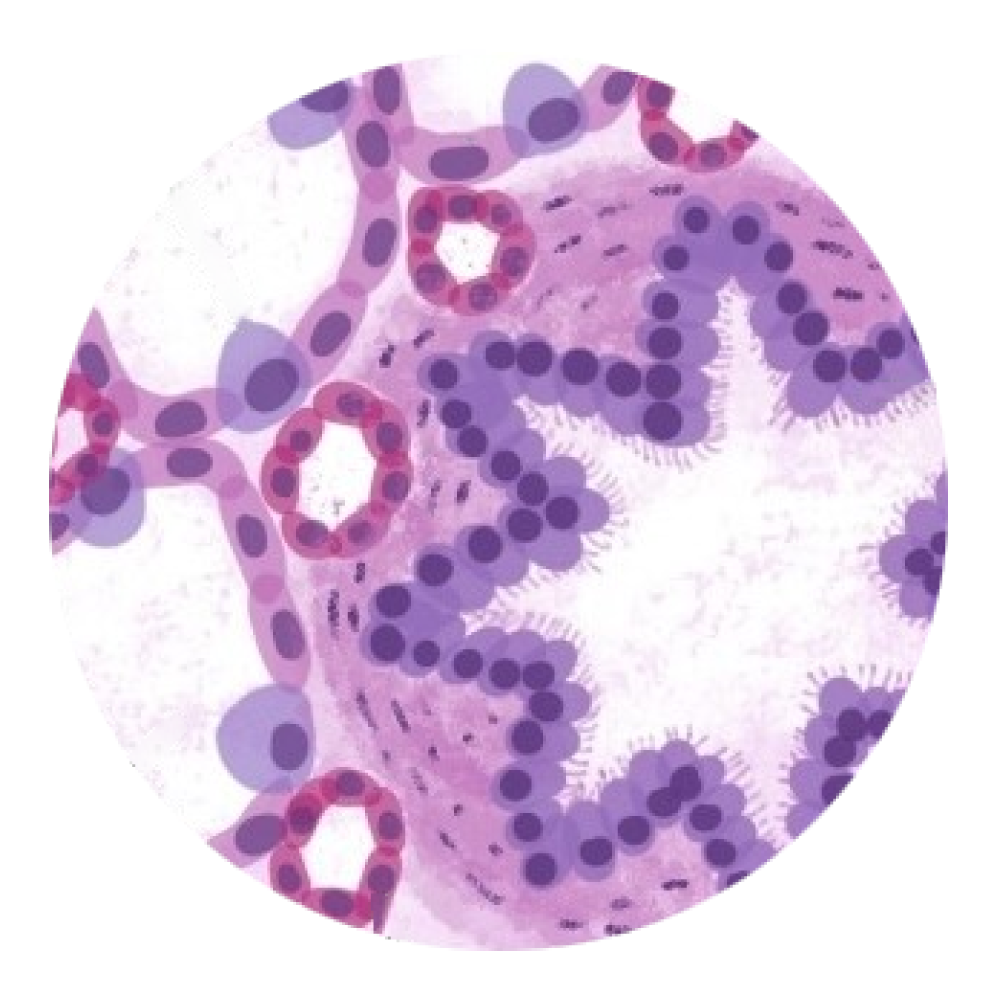
Stage 0 (Tis, N0, M0): Carcinoma in situ; abnormal cells are found only in the lining of the lung airways.
Stage I
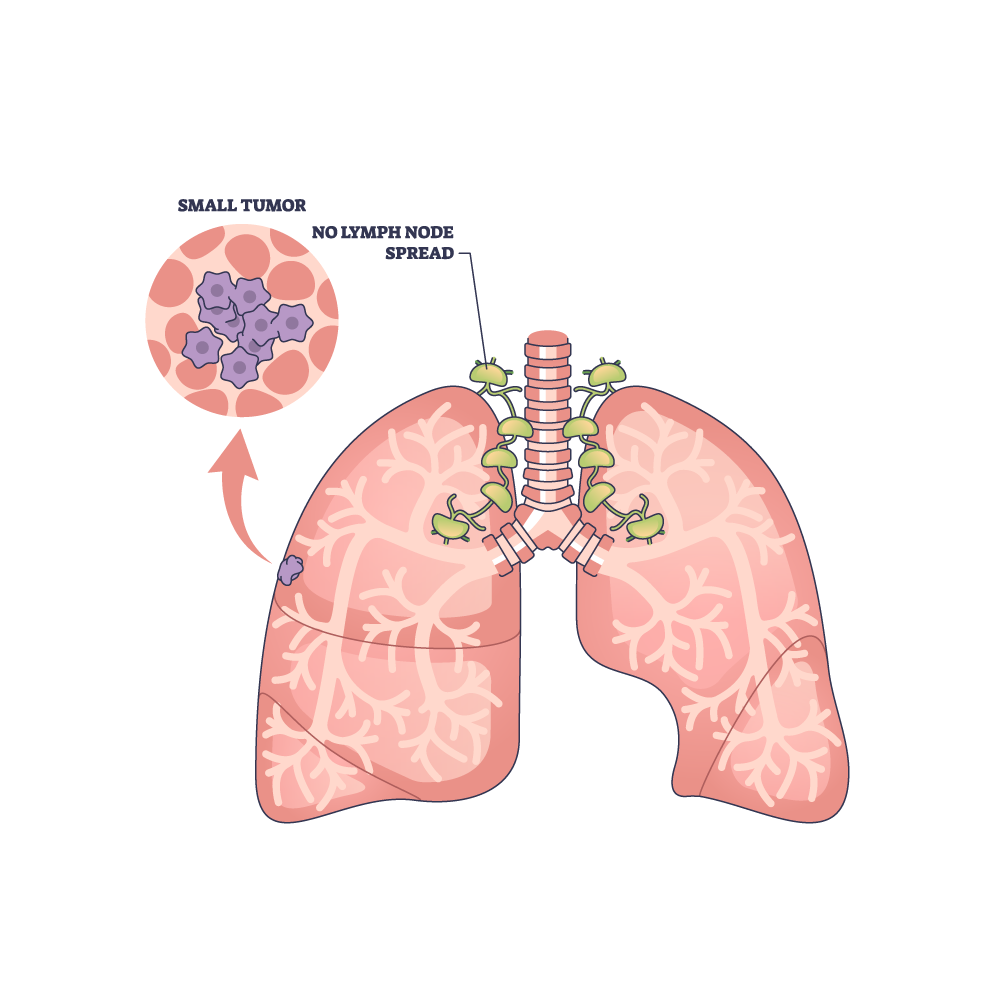
Stage I (T1-T2a, N0, M0): Tumor is small and localized in one lung without lymph node involvement.
Stage II
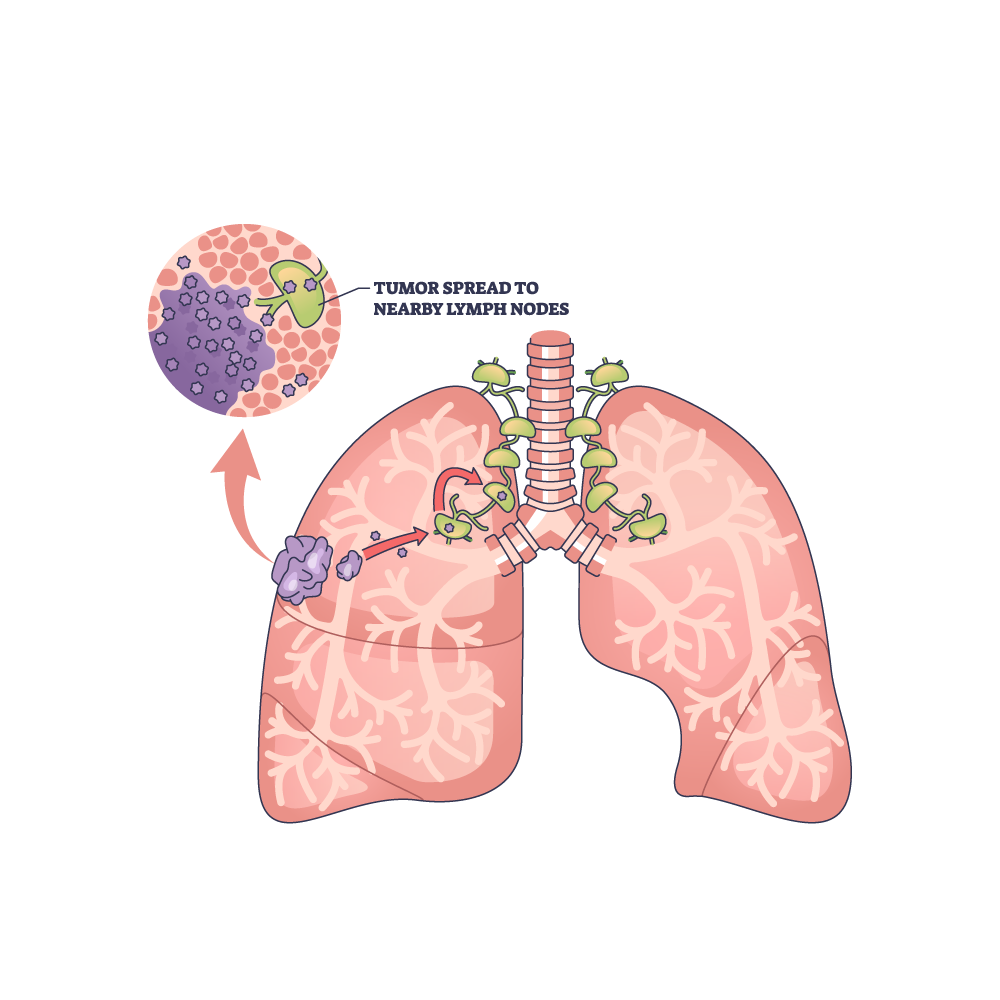
Stage II (T2b-T3, N0-N1, M0): Tumor may be larger or involve nearby lymph nodes within the lung or bronchus.
Stage III
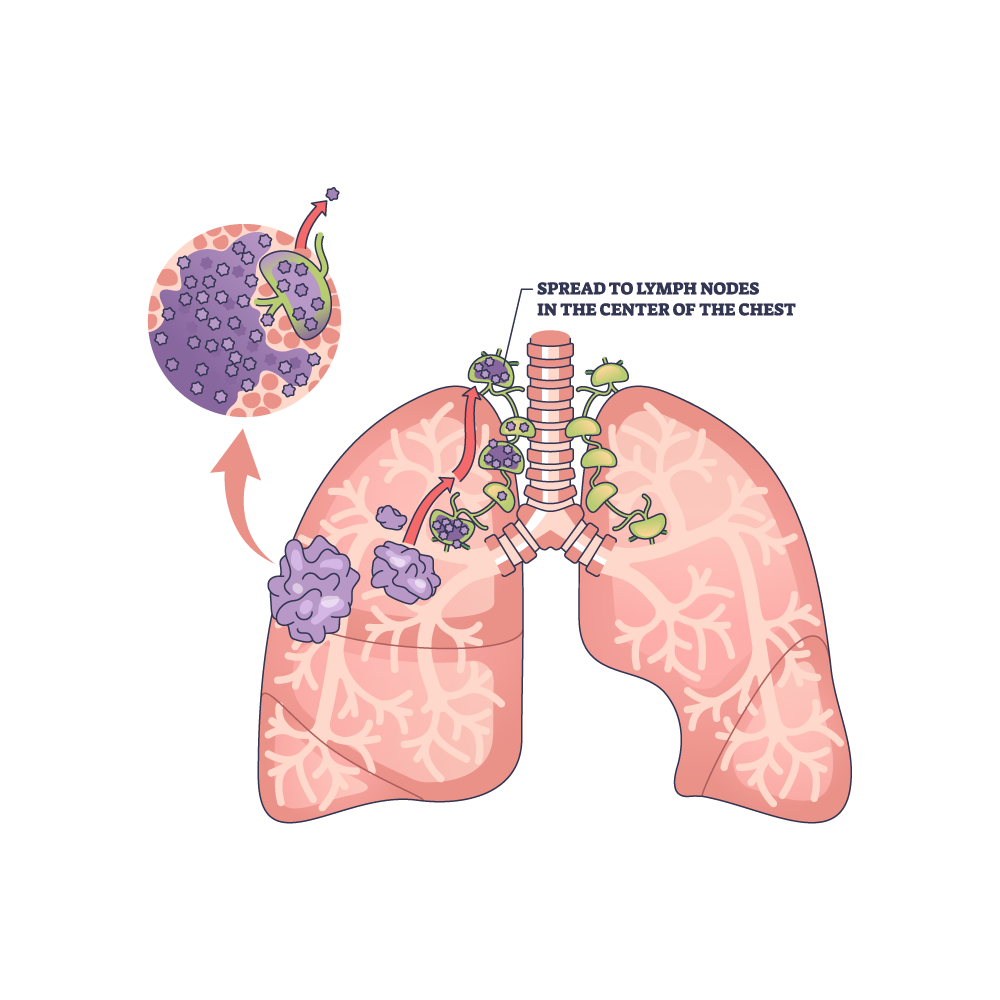
Stage III (T3-T4, N1-N3, M0): Cancer has spread to lymph nodes in the chest, possibly on the opposite side.
Stage IV
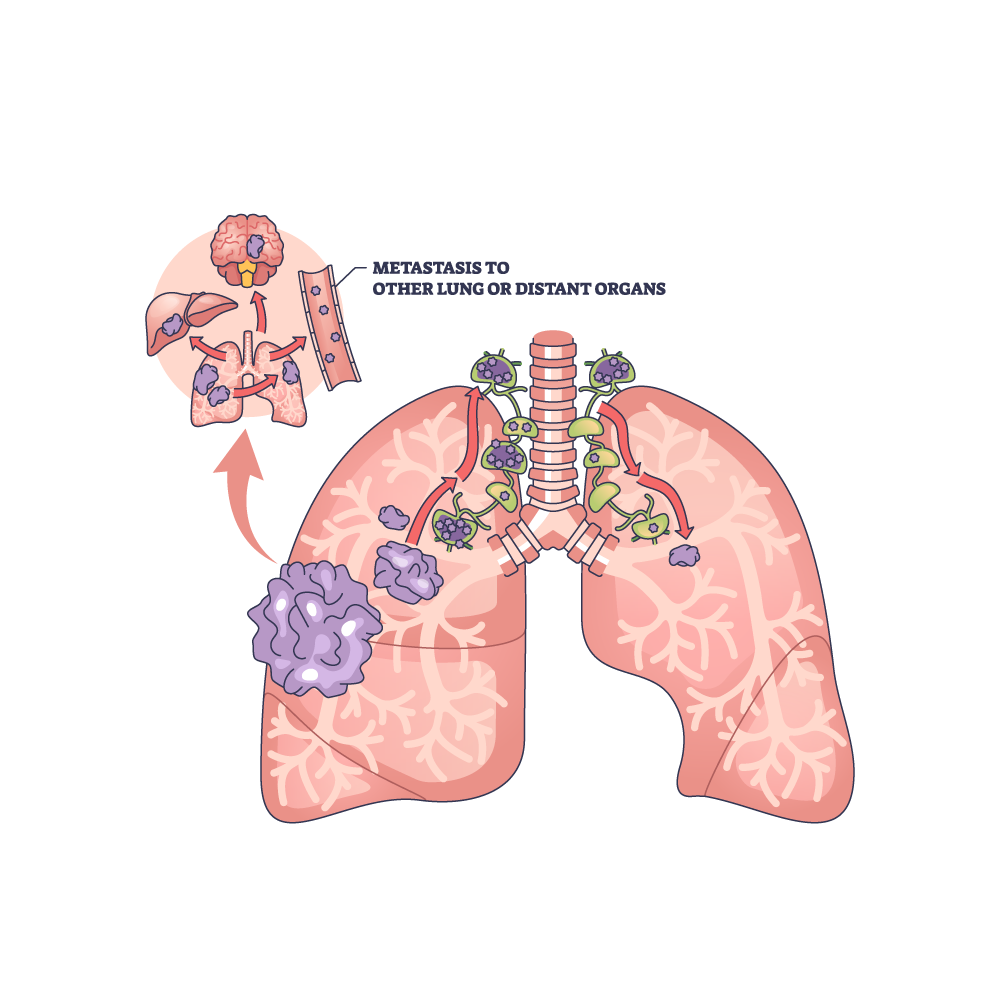
Stage IV (Any T, Any N, M1): Cancer has spread to the opposite lung, fluid around the lungs, or distant organs.
Small Cell Lung Cancer Stages:
Limited Stage
Cancer is confined to one lung and nearby lymph nodes and can be treated within one radiation field. TNM classification often approximates to T1-2, N0-1, M0.
Extensive Stage
Cancer has spread to the other lung, distant lymph nodes, or other organs. Corresponds generally to Any T, Any N, M1.
Lung Cancer Treatment Options
Treatment for lung cancer is highly individualized and depends on the type, stage, and molecular characteristics of the tumor, as well as the patient's overall health. The Shenandoah Oncology physicians work together closely to develop a treatment plan that includes the therapies that are likely to work best for each patient.
Non-Small Cell Lung Cancer Treatments:
- Surgery: Often the first step for early-stage cancer; it includes removing some or all of a lung. Procedures include a lobectomy, segmentectomy, or wedge resection.
- Radiation Therapy: Radiation can be used after surgery to ensure any remaining cancer cells are destroyed. It can also be used when surgery is not an option. Stereotactic body radiation therapy (SBRT) is ideal for lung cancer treatment because it can precisely target very small areas and account for any movement from breathing during treatment.
- Chemotherapy: Used before surgery (neoadjuvant) to shrink tumors or after surgery (adjuvant) to destroy remaining cells.
- Targeted Therapy: These drugs block specific gene mutations found in the tumor. Biomarkers tests are performed to identify which drugs would be effective, allowing the oncologist to create a personalized treatment plan.
- Immunotherapy: Boosts the body’s immune system to fight cancer cells, often used in cases of NSCLC that are Stage II or higher.
Small Cell Lung Cancer Treatments:
- Chemotherapy: Standard treatment for both limited and extensive stage
- Radiation Therapy: Often combined with chemotherapy, especially in limited-stage disease
- Immunotherapy: Used in combination with chemotherapy in extensive-stage disease or as consolidation in limited stage disease
- Prophylactic Cranial Irradiation (PCI): Prevents cancer spread to the brain in some patients
- Surgery: Rare, but may be used in very early-stage SCLC followed by other treatments
Clinical Research Trials for Lung Cancer
Some patients may be eligible for clinical trials, which offer access to promising new treatments before they are widely available. At Shenandoah Oncology in Winchester, Virginia, patients benefit from access to cutting-edge research and clinical trials for lung cancer without needing to travel to a major hospital system. Your oncologist will review whether a clinical trial is a suitable option for you based on your type of lung cancer, genetic markers, and treatment goals.
Shenandoah Oncology: Your Partner in Lung Cancer Care
Patients across the Shenandoah Valley, including those in Martinsburg and Harrisonburg, trust Shenandoah Oncology for expert lung cancer care close to home. Our team of lung cancer oncologists delivers state-of-the-art treatment with a personal touch. With access to the latest therapies, individualized treatment plans, and a more comfortable experience, Shenandoah Oncology is here for newly diagnosed patients and those who would like a second opinion before starting treatment.